Machinery and Defective Equipment Injuries
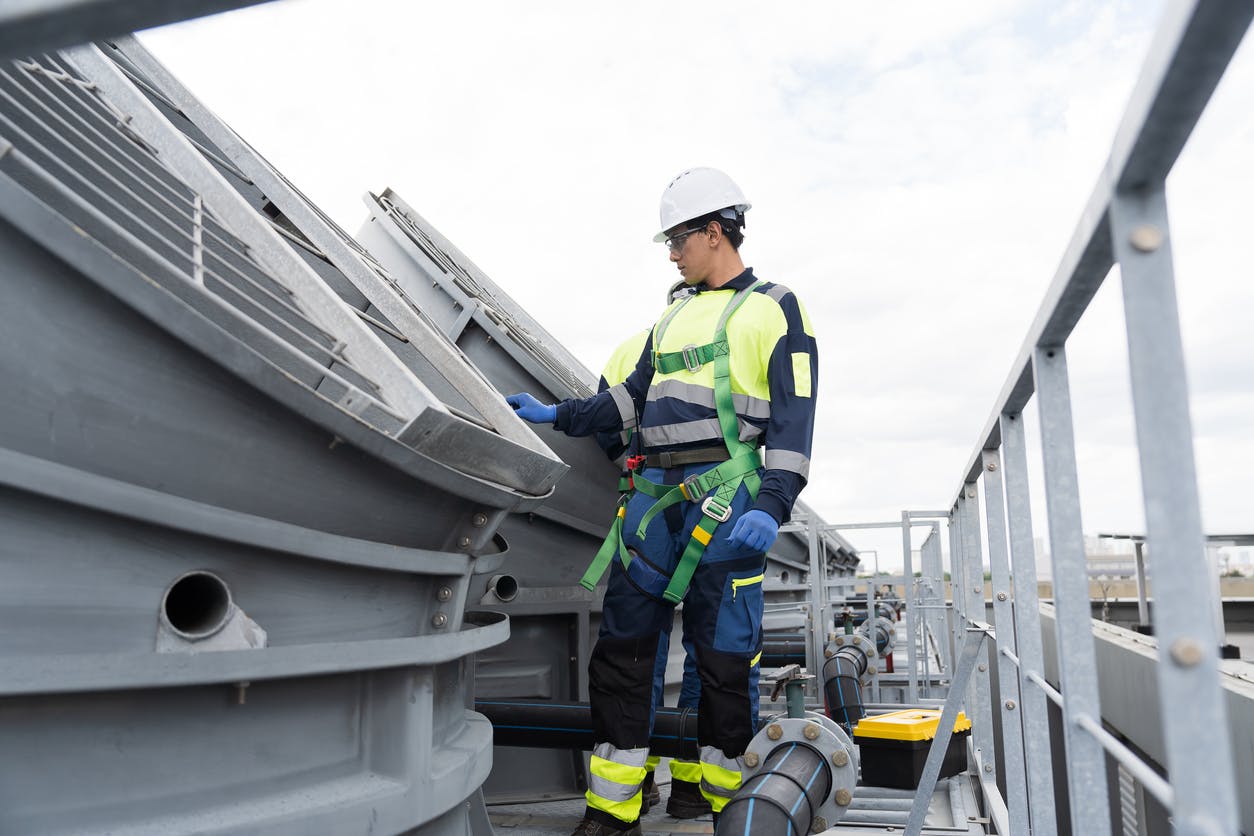
Machinery and defective equipment injuries happen when a worker is:
- Caught in;
- Struck by; or
- Hurt by
Industrial equipment that is:
- Unguarded
- Poorly maintained
- Defective
These accidents can involve:
- Presses
- Conveyors
- Saws
- Lifts
- Other powered tools
Workers' compensation generally governs claims against the employer. A malfunctioning machine, however, can raise separate questions about the manufacturer, distributor, or a maintenance contractor.
Depending on the facts, a product liability or negligence claim against one of those parties may be possible, as NRS 616C.215 recognizes claims against persons other than the employer.
Forklift, Warehouse, and Loading-Dock Accidents
Forklift, warehouse, and loading-dock accidents often involve:
- Tip-overs
- Pedestrian strikes
- Falling loads
- Trailers that shift or separate from the dock
OSHA statistics cited in an agency directive estimate roughly 85 forklift fatalities and 34,900 serious forklift injuries each year, with 42 percent of the fatalities involving operators crushed by a tipping vehicle.
Several parties may be involved in a single incident. Depending on the circumstances, the list could include:
- An equipment manufacturer
- A maintenance company
- A property owner
- A driver employed by another business at a shared dock
Hotel, Casino, and Restaurant Employee Accidents
Hotel, casino, and restaurant employees in Las Vegas face hazards such as:
- Wet or cluttered floors
- Hot kitchen equipment
- Heavy lifting
- Repetitive physical tasks
A worker hurt by a vendor's equipment, a contractor's negligence, or an unsafe condition created by a separate company may have options beyond workers' compensation, depending on the facts.
Wage calculations can also matter in these industries. Under NRS 616A.065, the definition of wage includes tips reported to the employer, subject to certain exceptions, which may affect the benefits calculation for tipped workers.
Falling Objects, Crush Injuries, and Amputations
Falling objects, crush injuries, and amputations are among the most serious workplace injuries and can result in permanent impairment. Nevada law recognizes the severity of these outcomes. The statutory definition of catastrophic injury includes several results that commonly follow these accidents:
- The loss by separation of any arm or leg
- The mangling, crushing, or amputation of a major portion of an extremity
- A head or spine injury that results in paralysis
When a falling object or collapsing load was caused by a contractor, an equipment supplier, or another company at the site, that party may be liable separately from the employer.
Vehicle Accidents While Working
Vehicle accidents while working involve:
- Delivery drivers
- Service technicians
- Truck drivers
- Employees who travel for their jobs
If the crash arises out of and in the course of employment, workers' compensation may apply, and a claim against an at-fault driver may also be possible.
Nevada law addresses an additional source of recovery. Under NRS 616C.215, an injured employee may be able to pursue proceeds under the employer's uninsured or underinsured vehicle coverage. However, the insurer is not subrogated to rights under coverage the employee purchased personally.