

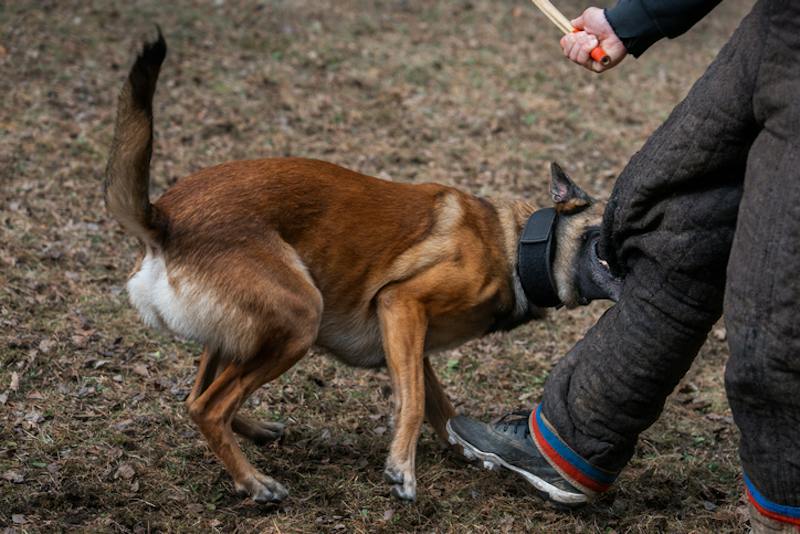
After a dog bite in Las Vegas, the most important steps are getting to safety, seeking medical care, reporting the bite to animal control, and preserving evidence about the dog, its owner, and your injuries. Taking these steps early protects your health and helps preserve your legal options if you later decide to pursue a claim.
Dog bites happen more often than many people expect in a pet-friendly city like Las Vegas. Research published through the National Library of Medicine estimates that about 4.5 million people in the United States are bitten by dogs each year, and roughly 19 percent of those bites require medical attention.
Founding partner Jamie Cogburn is one of just 19 Nevada attorneys certified in personal injury, and he began his career as a judicial law clerk for the Honorable Ron Parraguirre. He has since represented hundreds of injured Nevadans and been named to the National Trial Lawyers Top 100. Cogburn Davidson has recovered more than $250 million for clients, and our team is available 24/7. The seven steps below explain what to do after a dog bite in Las Vegas and why each one matters.
Step 1: Get to Safety and Separate From the Dog
Getting to safety is the first priority after any dog bite. Putting distance and a physical barrier between you and the dog reduces the chance of a second bite, which can be more serious than the first.
Once the immediate threat has passed, a few basic actions can help protect you and anyone nearby:
- Move to a secure area, such as a vehicle, a building, or behind a closed gate or door
- Avoid running, screaming, or making sudden movements toward the dog, since these can escalate its behavior
- Keep children and other pets away from the dog and the area where the bite occurred
- Call 911 if the dog continues to threaten people or if anyone has serious bleeding or injuries
Protecting the face, neck, and head is especially important if you are knocked down. Many serious dog bite injuries involve these areas, particularly when the victim is a child.
Step 2: Seek Medical Treatment, Even for Bites That Look Minor
Seeking medical treatment after a dog bite matters even when the wound looks small. Puncture wounds can push bacteria deep beneath the skin, and research published by the Centers for Disease Control and Prevention reports that between 3 and 18 percent of dog bites become infected.
According to StatPearls, published through the National Library of Medicine, several factors can raise the risk of infection after a dog bite:
- Bites to the hand, which contain tendons, joints, and small spaces where bacteria can spread
- Larger wounds, particularly those longer than 3 centimeters
- Underlying health conditions that affect the body's ability to heal or fight infection
- Delays between the bite and medical treatment
The Southern Nevada Health District advises washing all bite wounds and scratches thoroughly with soap and water, then seeing a doctor or contacting the health district as soon as possible. During that visit, a medical provider can evaluate several important concerns:
- The risk of infection, based on the wound's depth, size, and location
- Your tetanus status and whether a booster is needed
- Whether rabies prevention treatment is recommended, based on what is known about the dog and its vaccination history
Prompt treatment also creates a medical record connecting your injuries to the bite on a specific date. Insurers may point to gaps in treatment when questioning whether an injury was as serious as the victim reports.
Step 3: Report the Bite to Animal Control
Clark County requires every dog bite to be reported to animal control. According to Clark County Animal Protection Services, once a bite is confirmed, the dog is placed under a 10-day rabies quarantine under Clark County Code Chapter 10.28.
The agency that takes the report depends on where the bite happened:
- Unincorporated Clark County: Call Clark County Animal Protection Services at (702) 455-7710. After 5:00 p.m., call 311 for non-emergencies or 911 for emergencies.
- City of Las Vegas: Contact City of Las Vegas Animal Protection Services.
- City of Henderson: Contact Henderson Animal Care and Control, part of the Henderson Police Department.
When you call, be ready to share the following details:
- A description of the dog.
- The location, including the nearest cross streets.
- Which way the dog went, if it ran off.
- Where the dog lives, if known.
A bite report helps health officials track the dog's rabies status and creates a government record of the incident. You can request a copy through the county's records request process, and prior reports may support a dangerous dog designation under Clark County Code 10.16.010.
Step 4: Identify the Dog, the Owner, and Any Witnesses
Identifying the dog and its owner as soon as it is safe to do so helps both your medical care and any future claim. The Southern Nevada Health District recommends identifying the animal, its owner, and its rabies vaccination status after a domestic animal bite.
Information worth collecting at the scene includes the following details:
- The owner's full name, address, and phone number, along with the name of anyone else who was handling the dog
- A description of the dog, including its breed, size, color, and any tags or collar
- The dog's rabies vaccination status, if the owner can provide it
- The name of the owner's homeowners or renters insurance carrier, if the owner is willing to share it
- Names and contact information for anyone who saw the bite or the moments leading up to it
Witness accounts can matter because liability often turns on how the dog was being controlled. Nevada generally evaluates dog bite claims under negligence principles, as explained in our overview of Nevada's dog bite laws, so details such as whether the dog was leashed or a gate was left open may carry significant weight.
Step 5: Document Your Injuries and the Scene
Documenting a dog bite thoroughly creates the evidence needed to show what happened and how it affected you. Photos taken in the first hours and days often capture swelling, bruising, and wound details that fade as the injury heals.
The table below outlines the types of evidence that are often most useful after a dog bite.
| Evidence | Why It Matters |
|---|---|
| Photos of wounds, taken regularly as they heal | Shows the severity of the injury and any scarring over time |
| Medical records and bills | Connects treatment to the bite and supports a claim for economic losses |
| Animal control bite report | Creates an official record and may reveal prior incidents involving the dog |
| Photos of the scene, fence, gate, or leash | May show how the dog got loose or why it was not under control |
| Torn or bloodied clothing | Provides physical evidence of the force of the attack |
| A written journal of pain, sleep, and daily limitations | Helps document effects such as anxiety or lost enjoyment of activities |
| Witness contact information | Supports your account of how the bite occurred |
Keep copies of every receipt, prescription, and appointment summary in one place. Records of missed shifts or reduced hours can also help if the bite affected your ability to work.
Step 6: Be Cautious About Statements to the Owner's Insurance Company
Being cautious when speaking to the dog owner's insurance company is crucial for protecting your claim. Adjusters may contact you quickly and request a recorded statement, but injured people are generally not obligated to provide one to the other party's insurer.
Even seemingly harmless comments can be used to undermine your injuries or suggest shared fault. Under Nevada's comparative negligence law, NRS 41.141, your recovery can be reduced if you're found partially at fault and may be barred if your fault is greater than the combined negligence of the defendants.
If the owner's insurer contacts you, a few precautions can help protect your claim:
- Keep the conversation to basic facts, such as your name, contact information, and the date and location of the bite
- Avoid guessing about your injuries or saying you feel fine, since some complications take time to appear
- Avoid describing your own actions in ways that could suggest you provoked or approached the dog
- Consider speaking with an attorney before agreeing to a recorded statement
- Review any medical authorization form carefully before signing, since a broad release may give the insurer access to unrelated health records
Early settlement offers should be reviewed carefully, as scarring, nerve damage, and infections may take time to develop. Signing a release typically prevents seeking further compensation for the same incident.
Step 7: Contact a Las Vegas Dog Bite Attorney
Contacting a dog bite lawyer in Las Vegas is beneficial if the injury is serious, if there's a dispute about the incident, or if multiple parties may be involved. An attorney can assess your case and outline your options before important deadlines.
Legal guidance may be especially helpful in situations like these:
- The bite required stitches, surgery, or ongoing treatment, or is likely to leave a scar.
- The victim is a child, or the bite involved the face, hands, or neck
- The dog was at a rental property, with a dog sitter, or in someone else's care at the time, which can raise questions about who is liable for the bite
- The insurer has denied the claim, blamed you for the bite, or made an offer that does not reflect your losses
- The dog has a history of aggressive behavior or a prior dangerous dog designation
Timing matters as well. Nevada generally allows 2 years from the date of injury to file a personal injury lawsuit under NRS 11.190(4)(e). However, exceptions, such as tolling for minors under NRS 11.250, may apply depending on the circumstances.
The steps taken after a dog bite can significantly impact your recovery and legal options. At Cogburn Davidson, partner Hunter Davidson has tried multiple injury cases before Nevada juries, resulting in favorable verdicts. Our firm's results also include a $2 million slip-and-fall recovery.
Our attorneys prepare every case with the possibility of trial in mind. We serve clients from our Las Vegas office at 2300 W Sahara Ave and our Henderson office at 2580 St Rose Pkwy. If you or your child has been bitten, call (702) 805-0652 to schedule a case evaluation with a dog bite lawyer in Las Vegas.
Disclaimer: This article is for informational purposes only and is not legal advice. Dog bite law in Nevada is highly nuanced, and every case should be evaluated individually based on its specific facts.
Sources
- The changing epidemiology of dog bite injuries in the United States, 2005–2018, National Library of Medicine (PMC)
- Human Pasteurellosis Health Risk for Elderly Persons Living with Companion Animals, CDC Emerging Infectious Diseases
- Animal Bites, StatPearls, National Library of Medicine
- Rabies, Southern Nevada Health District
- Frequently Asked Questions, Clark County Animal Protection Services
- Clark County Code Chapter 10.28, Rabies Prevention and Quarantine, Clark County
- Report a Complaint, Clark County Animal Protection Services
- Animal Protection Services, City of Las Vegas
- Animal Control, City of Henderson
- Animal Protection Services Records Request, Clark County
- Clark County Code 10.16.010, Dangerous and Vicious Animal Declaration, Clark County
- NRS 41.141, Nevada Legislature
- NRS 11.190 and NRS 11.250, Nevada Legislature